
Gurgaon’s Trusted Interior Design Studio
The right light transforms how a space looks, feels, and functions — expert lighting design for homes and commercial spaces across Gurgaon, Delhi & NCR. Planned with precision, layered with purpose, and installed to last.
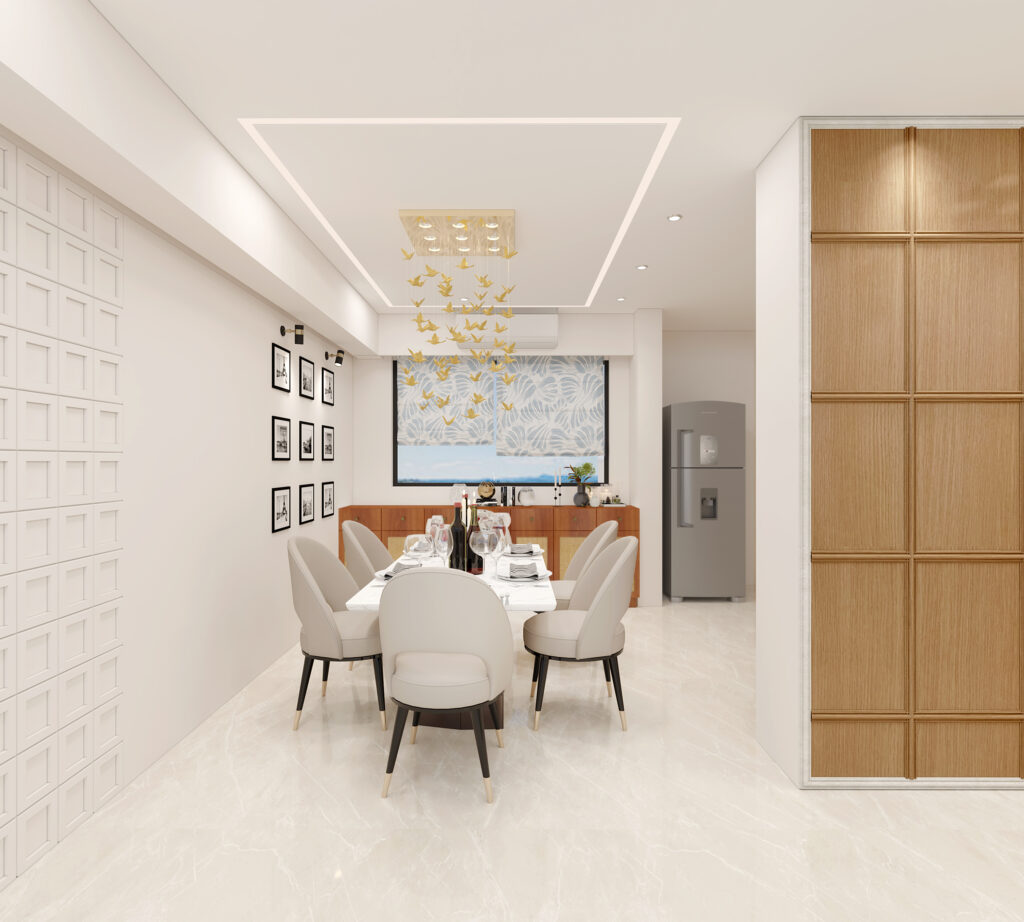
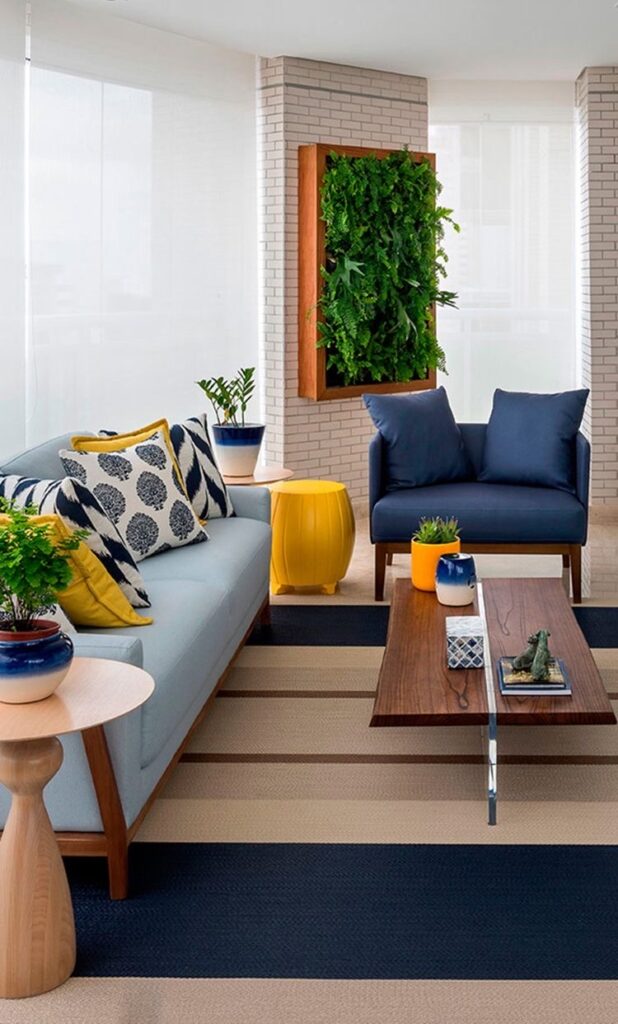
Most homes in Gurgaon are lit the same way — a central ceiling light in every room, maybe a couple of lamps, and little else. It works. But it doesn’t do what good lighting is actually capable of. Lighting is the single most powerful tool in interior design — and the most consistently underused one. It controls how large a room feels, how warm or cool the atmosphere is, where your eye is drawn, and how comfortable a space is to live in at different times of day. Done well, it makes every other design decision look better. Done poorly, it can make even a beautifully designed room feel flat, harsh, or just wrong. Our lighting design service plans your entire home’s lighting from scratch — layering ambient, task, accent, and decorative light in every room to create spaces that look considered, feel comfortable, and function exactly the way you need them to at every hour of the day.
Lighting is almost always decided last — after the civil work is done, the furniture is in, and the budget is running thin. By that point, the decisions that matter most — where to run the conduits, where to place the downlights, which walls to wash with light — have already been locked in by default. We bring lighting into the design conversation from the very beginning, because that’s the only way to get it right.

Lighting decisions that happen after plastering is done are compromise decisions. The conduit is already run, the ceiling is already closed, and the only options left are surface-mounted fittings and extension cords. We plan your entire lighting layout before civil work starts — so every wire runs exactly where it needs to, every fitting sits where it was designed to, and nothing is an afterthought.

A living room needs different lighting at 7am, 2pm, and 9pm. A kitchen needs bright task light over the counter and softer ambient light for the rest of the space. A bedroom needs warm, relaxed light in the evening and enough brightness to get ready in the morning. We design each room with multiple layers of light — and the controls to adjust them — so your home responds to how you actually use it.

A lighting plan is only as good as the fixtures that execute it. We select downlights, pendants, wall sconces, cove strips, and decorative fittings that are technically correct for their role and visually right for your interior. Beam angle, colour temperature, lumen output, IP rating for wet areas — every specification is chosen with purpose, not picked from a catalogue at random.

Good lighting design and energy efficiency are not in conflict — they go hand in hand. We specify LED lighting throughout, plan circuits intelligently to avoid waste, and incorporate dimmer controls where they add both comfort and savings. The result is a home that's beautifully lit and genuinely efficient without any trade-off in quality or atmosphere.
Lighting design is most effective when it’s woven into the interior design process from the start — not added at the end. Here’s exactly how we approach it, whether we’re working on a full home interior project or a dedicated lighting brief.
We start by understanding how you live in each room — when you use them, what activities happen there, what mood you want to create, and whether you prefer warm, cool, or neutral light tones. We also discuss any specific preferences around smart controls, dimmers, or feature lighting. This brief shapes every decision that follows.
We review your floor plan and ceiling heights, identify where false ceilings are planned or possible, map out natural light entry points, and note any architectural features worth highlighting through accent lighting. This is where we establish the structural canvas for the lighting design — before any conduit is run or ceiling is closed.
We develop a room-by-room lighting concept — identifying the ambient base layer, task lighting positions, accent lighting opportunities, and decorative focal points for each space. We zone the home into lighting circuits that can be controlled independently, giving you flexibility to adjust the mood in different areas without affecting others.
We prepare a complete lighting schedule — listing every fitting in every room with its exact position, mounting type, beam angle, colour temperature, wattage, and product reference. This document is handed to your electrician and contractor so there is no ambiguity on site. We also share visual references for all decorative fittings so you can approve the aesthetic before anything is ordered.
We coordinate with your electrician during the conduit-laying and rough-in phase to ensure everything is running as planned. Once fittings are installed, we do a final lighting review — checking positions, beam angles, colour temperature consistency, and dimmer behaviour — and make any fine adjustments needed before the space is handed over.
Because most of the critical decisions — where conduits run, where downlights are positioned in the ceiling, where wall lights are wired in — need to happen before the ceiling is plastered and the walls are finished. If lighting is planned after civil work is complete, you're limited to surface-mounted options and lose the ability to integrate lighting cleanly into the architecture. Getting the lighting plan done before civil work begins costs nothing extra and makes everything possible. Doing it after locks you into compromises that are expensive to undo.
Layered lighting means having multiple types of light in a room — each serving a different purpose — rather than relying on a single ceiling light to do everything. The layers are ambient light (the general base illumination), task light (focused light for specific activities like reading, cooking, or working), accent light (directional light to highlight artwork, shelving, or architectural features), and decorative light (fixtures that are as much about aesthetics as function, like pendants or chandeliers). A room with layered lighting feels richer, more comfortable, and more flexible than one with a single source — and it performs better across different times of day and different activities.
Colour temperature is measured in Kelvin and determines whether your light feels warm, neutral, or cool. For living spaces — bedrooms, living rooms, and dining areas — warm white light between 2700K and 3000K creates a comfortable, relaxed atmosphere. For task-heavy areas like kitchens, bathrooms, and home offices, a neutral white between 3500K and 4000K provides better visibility without feeling clinical. We recommend against cool white or daylight bulbs (5000K and above) for residential spaces — they tend to feel harsh and reduce the sense of warmth that makes a home comfortable. We advise on the right colour temperature for every room and every circuit in your home.
For most homes, yes — but with some important caveats. Smart lighting adds genuine value when it simplifies how you control different zones, allows you to set scenes for different times of day, and integrates with other smart home systems you already use. Where it adds less value is when it's added for novelty rather than function, or when the system is complex enough that it becomes a source of frustration rather than convenience. We recommend smart lighting selectively — in living rooms, bedrooms, and entertainment spaces where scene-setting genuinely improves daily life — and standard dimmers with good-quality switches everywhere else.
Lighting design as a standalone service is typically charged as a professional fee based on the size of the home and the scope of the brief. As part of a full interior design or turnkey project, lighting design is integrated into the overall project scope and managed end to end — including fixture specification, procurement, and site coordination. The cost of the fixtures themselves varies widely based on the brands and categories chosen — from value-focused LED downlights to statement pendant fittings. We work within your budget and advise on where to invest and where to save without compromising the overall quality of the lighting design.
Yes — to a meaningful extent. In an existing home where the ceiling is already closed and conduits are already run, the options are more limited than in a new build or renovation — but there's still significant scope to improve. We can work with existing wiring points to optimise fixture placement, replace outdated fittings with better-performing ones, add surface-mounted or track lighting where additional light is needed, introduce floor and table lamps as a decorative layer, and retrofit dimmer switches to existing circuits. A lighting refresh in an existing home can dramatically change how a space feels without any major structural work.